 +1 (908) 280-4128

 Catalog
 Apparel
 Beauty
 Health
 Sauna
Sauna
 Login or register
 Product catalog
 Specials
 +1 (908) 280-4128
  Language:
Top Aromatherapy Practices to Reduce Stress at Home: A Beginner’s Guide
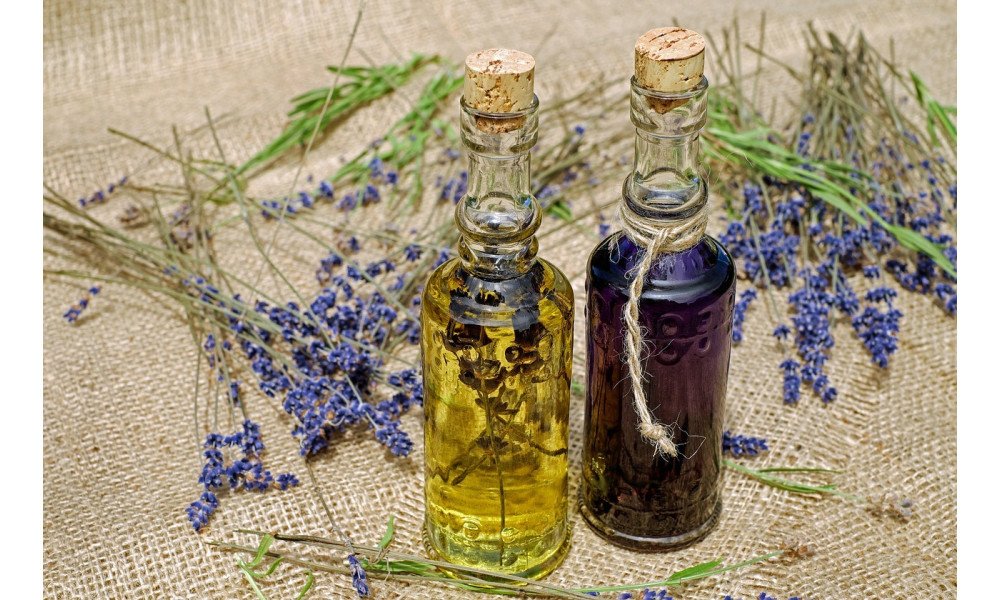
The power of aromas is indisputable. We react to scents because of our olfactory receptors. Fragrances guide us throughout our whole life: some of them we like, some we cannot stand, but we feel them and respond to them. Sometimes, it happens at an unconscious level. That’s how, for example, aromatherapy works.
Using aromas for health improvement and overall wellness is not a new story. Essential oils have been well-known since the times of ancient Egypt and the Mesopotamian kingdoms. They were predecessors of modern perfumes, and they are recognized even by such influential scientific resources as PubMed, for example.
That’s why we decided to unveil some secrets of aromatherapy and essential oils used in it to our customers. Let’s learn more about what is aromatherapy and how it influences stress levels and overall well-being. Besides, we will gladly share with you some tips for your daily rituals with essential oils and help you decide on which essential oils will be the most helpful for your body and soul.
What Is Aromatherapy and How It Influences Stress Levels
First, let’s consider the essence of aromatherapy. This technique, which is not officially recognized as therapy by the FDA, is based on using essential oils extracted from various natural sources through the skin or the olfactory system.
This use can take various forms: lighting aromatic candles, using aromas in aromalamps, adding volatile oils to aroma diffusers, adding them to cosmetics, or massaging the body with them. The core idea of aromatherapy is to disclose the effects of essential oils and apply them to our well-being. As a result, when you practice it, you can enjoy multiple effects, such as follows:
- Boosting mood with the help of pleasant scents of essential oils;
- Improving overall atmosphere in the room: aromatherapy infuses the air in the room with aromatic molecules and improves the whole ecosystem this way;
- Relieving pain: some essential oils impact receptors which transmit painful signals and calm them;
- Reducing stress levels and anxiety: with the help of aromatic molecules distributed to the brain’s emotional centers, we can calm down, relax, and get peace of mind;
- Energizing effects: Some plant-based oils can boost your energy and help with better concentration;
- Sleep improving: The relaxation effects of aromatherapy can help you mitigate sleep issues.
With all that, it’s time to consider which essential oils can be useful for you.
Key Essential Oils Known for Calming Effects, Relaxation, and Overall Well-Being Impact
Essential oils derived from various plants provide a great variety of effects when we apply them in aromatherapy. That’s why it is better to learn in advance how each of them works. The selection of aromas is the first step to your aromatherapy practices, so that’s what we will focus on further.
Essential Oils for Relaxation
One of the most valuable effects essential oils are famous for is their relaxation impact. When you breathe their aroma in, you feel calmed and peaceful. If you want to get key essential oils known for calming effects for your aromatherapy, we recommend you select from the following ones:
- Lavender oil is the #1 stress relief. It helps balance your mood and embrace relaxation.
- Rosemary and cedar oils turn you into a harmonious mood and create the feeling of comfort and coziness.
- Peppermint oil, although its aroma is fresh and cooling, is a great anxiety removal.
- Cinnamon oil, with its sweet and yummy scent,t creates the feeling of calmness and reduces fears.
Best Essential Oils to Cheer Up
If your task is fully contrary, and you need some boost for your energy levels, it’s up to you to use aromatherapy for it. The core essential oils for your productivity enhancement and energizing are:
- Peppermint essential oil is a universal aroma for both relaxing and energizing.
- Basil oil, with its rich aroma, helps you focus better on your tasks.
- Lemon and sweet orange oils fill you with energy with their citric accents.
- Lemongrass oil is famous for its capability to invigorate senses.
Essential Oils for Immunity Enhancement
Aromatherapy can be used for health issues prevention. Moreover, it can help you enhance your immunity system! Among the most powerful essential oils for your immunity, we cannot pass by:
- Bergamot oil – it makes feelings stronger, and it is especially recommended for seniors as an immunity booster.
- Tea tree oil is a natural antiseptic which mildly disinfects the air in the room and helps the body to withstand bacteria.
- Eucalyptus is one more recognized anti-inflammatory oil, and its impact on immunity is priceless. Besides, it stimulates the brain and enhances cognitive functions.
- If you have digestion issues, grapefruit oil is your natural remedy.
Even in solo use, these essential oils can help you with your everyday care. Moreover, you can use them in combinations, creating your unique aromatic composition. For example, lavender and peppermint oils work great for migraine mitigation, and the combination of eucalyptus oil and lemon oil is your best choice when you need to concentrate and work productively.
Practical Aromatherapy Techniques You Can Start Today
When you decide on which essential oils should be in your aromatic library, the next step to take is to learn a bit about safety rules and the ritual itself.
Safety Guidelines for Beginners About Aromatherapy Practices
The principle of essential oils use is often related to their heating. Under heating, aromatic molecules become more active, and their effect becomes more intense. Yet, this is not completely safe to heat essential oils. So, it is better to learn about safe ways to use essential oils at home,which may help you learn the typical mistakes beginners should avoid
- Never burn essential oils and keep them away from the open fire. You can pour a couple of drops of essential oil into a special heatproof cup in an aromalamp or light the candle with a drop of oil on it.
- Do not use essential oils in high volumes. Their intensity can play tricks with you and lead to a headache instead of therapeutic effects.
- Never apply essential oils to your eyes, mucous, or damaged skin.
- Always aerate the room before and after your aromatherapy ritual.
- Never leave essential oils within kids' or pets' reach.
Creating a Personalized Relaxation Ritual
With a selected composition and aromatherapy method, it’s time to develop your relaxation ritual. For this, we advise you to prepare your room first of all. Aerate it, declutter it, and dim the light. Then add a couple of essential oil drops to an aromalamp or the diffuser. Then it’s time to tune you to the relaxed mood. You can practice some mindfulness, including deep breathing practices, meditation, or free writing for this.
Do not hurry up, just take the time for yourself.
How to Combine Aromatherapy with Other Wellness Habits
It is also profitable to get a double effect by combining aromatherapy with other wellness habits. For example:
- Take a bath using aromatic essential oils in your bath foam or shower gel;
- Use them for massaging;
- Add a couple of drops of your favorite essential oil to your hair conditioner or mask to enjoy the aroma during hair care routines;
- Use aromalamps while doing yoga or meditation.
Summarizing Core Benefits of Aromatherapy for Stress Reduction and Wellness
Essential oils, as part of aromatherapy, are powerful natural helpers which can reduce your stress levels, help with better sleep and enhance immunity. You can use them solo or in synergy with other wellness rituals. And we hope that our guide will provide you with the core tips on how to build a full stress-reduction environment with their help.